

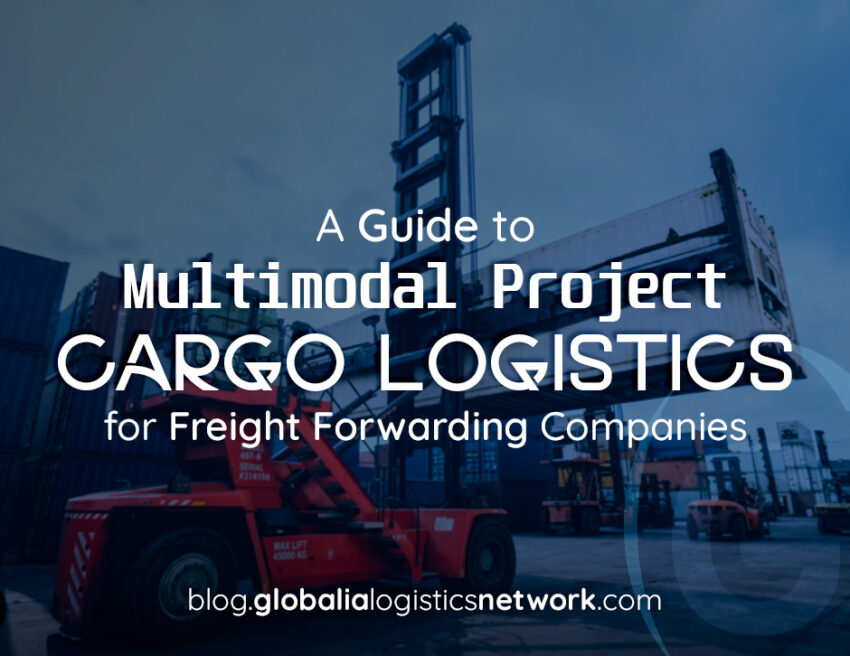
Moving oversized turbines, industrial machinery, or infrastructure components across continents is never a straightforward task. This is where multimodal project cargo logistics comes into play, bringing together different transport modes, precise coordination, and deep expertise to move cargo that simply doesn’t fit into standard shipping frameworks. Project cargo isn’t just about moving goods from point A to point B. It’s about managing complexity at every stage. From route planning and regulatory approvals to handling heavy lift components and ensuring safe delivery, forwarders operate at the center of a highly synchronized process.
Understanding the Nature of Project Cargo
Project cargo typically involves large, heavy, high-value, or time-critical equipment used in industries like energy, construction, and manufacturing. Unlike containerized freight, these shipments often fall under heavy lift project cargo or oversized cargo transportation, requiring tailored solutions. What makes this segment unique is the level of customization involved. Every shipment is different. Dimensions, weight, origin, destination, and infrastructure constraints all influence how the cargo moves. That’s why project cargo logistics solutions are never one-size-fits-all.
Why Multimodal Project Cargo Logistics Is Essential
At the core of these operations lies multimodal transport logistics, which combines sea, air, rail, and road transport into a single coordinated movement. For complex shipments, relying on a single mode is rarely feasible. Multimodal project cargo logistics enables forwarders to design flexible routes that adapt to cargo requirements and geographic limitations. For example, a large industrial component may travel by sea for the longest leg, then move via specialized trailers by road, and finally reach its destination using rail for the last stretch. This approach is not just about convenience. It’s often the only viable way to execute project cargo multimodal transport across diverse terrains and infrastructure systems.
The Role of Forwarders in Multimodal Project Cargo Management
When it comes to execution, forwarders act as the central coordinators. In multimodal project cargo management, their role extends far beyond booking transport.They handle planning, coordination, and risk management across all stages. This includes working with carriers, port authorities, customs officials, and on-ground teams. In many cases, forwarders also arrange permits, escorts, and route surveys for oversized cargo transportation. If you look at how freight forwarders manage project cargo logistics, it becomes clear that their value lies in connecting multiple moving parts into a seamless operation. They ensure that each leg of the journey aligns with the overall timeline and technical requirements.
Planning and Route Engineering
Every successful shipment begins with detailed planning. Project cargo transportation planning and logistics involve analyzing routes, infrastructure, and regulatory conditions well before the cargo is moved. Forwarders conduct feasibility studies to determine whether bridges can handle the load, whether roads can accommodate the dimensions, and whether ports have the necessary equipment. These assessments shape the project cargo routing strategies in multimodal transport, ensuring that the cargo can move safely and efficiently. This stage also addresses one of the biggest concerns in the industry: how to manage complex project cargo movements without delays or unexpected costs.
Handling Heavy Lift and Breakbulk Cargo
Not all cargo can be containerized. In many cases, forwarders deal with breakbulk and project cargo logistics, where goods are loaded individually rather than in containers. Handling heavy lift project cargo requires specialized cranes, lifting equipment, and trained personnel. The margin for error is minimal. Improper handling can lead to damage, delays, or safety risks. This is where industrial cargo logistics expertise becomes critical. Forwarders must ensure that loading, unloading, and securing processes are executed with precision at every stage of the journey.
Coordination Across Multiple Transport Modes
One of the defining aspects of multimodal freight forwarding is the need for tight coordination. Each transport mode has its own schedules, constraints, and documentation requirements. Forwarders must synchronize these elements to avoid bottlenecks. For instance, delays at a port can disrupt road transport schedules, leading to cascading issues across the supply chain. Understanding how multimodal transport works for project cargo means recognizing that timing is everything. A well-coordinated transition between modes ensures continuity and minimizes risks.
Managing Risks and Challenges
The complexity of these operations introduces several risks. Among the most common challenges in multimodal project cargo transportation are:
-
Infrastructure limitations
-
Regulatory hurdles
-
Weather disruptions
-
Equipment availability
Forwarders mitigate these risks through contingency planning and real-time monitoring. In multimodal project cargo logistics, proactive risk management is just as important as execution. They also ensure compliance with international regulations, which is particularly important in cross-border project cargo logistics operations.
Technology and Visibility in Project Cargo Logistics
Digital tools are transforming how forwarders manage complex shipments. Advanced tracking systems provide real-time visibility, allowing stakeholders to monitor progress and respond to issues quickly. In project cargo supply chain management, visibility is not just a convenience. It’s a necessity. Clients need to know where their cargo is, what condition it’s in, and whether it’s on schedule. Technology also supports better decision-making in multimodal logistics solutions for oversized cargo, helping forwarders optimize routes and improve efficiency.
Best Strategies for Successful Project Cargo Movements
Executing large-scale shipments requires a strategic approach. The best logistics strategies for project cargo shipments focus on planning, coordination, and expertise. Forwarders prioritize early engagement, detailed assessments, and clear communication with all stakeholders. They also invest in partnerships with reliable carriers and service providers to strengthen their project cargo shipping solutions. At the same time, flexibility remains key. No matter how detailed the plan, unexpected challenges can arise. The ability to adapt quickly is what defines successful multimodal project cargo management.
The Growing Importance of Multimodal Logistics
As industries expand globally, the demand for efficient multimodal transport logistics continues to grow. Infrastructure projects, renewable energy developments, and industrial expansions all rely on the seamless movement of large and complex cargo. This trend reinforces the importance of freight forwarder project cargo services, which bring together expertise, networks, and resources to handle demanding shipments. Forwarders are no longer just service providers. They are strategic partners in enabling global industrial growth.
Final Thoughts
Managing complex cargo movements is a discipline that combines engineering, logistics, and coordination. Through multimodal project cargo logistics, forwarders make it possible to move oversized, high-value equipment across continents with precision and reliability. From route planning and heavy lift handling to real-time coordination and risk management, every step requires expertise. The stakes are high, but so is the impact. As global projects become more ambitious, the role of forwarders in project cargo logistics will only become more critical. Those who master the intricacies of multimodal operations will continue to drive efficiency and innovation across global supply chains.