

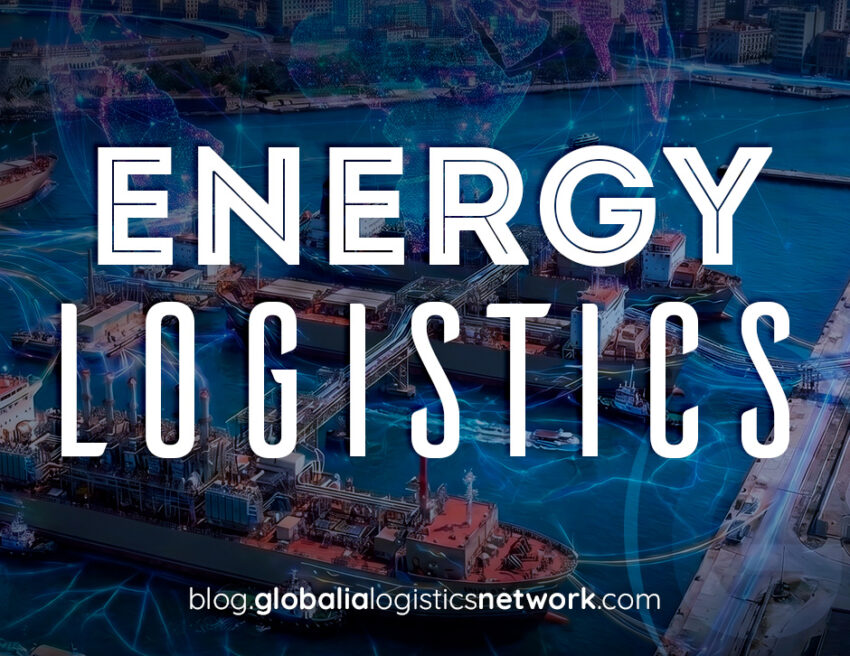
The idea of energy logistics is starting to move from theory into real-world operations. In several regions, countries are no longer relying only on fixed infrastructure to generate electricity. Instead, they are bringing power to where it is needed. This shift is most visible in the use of floating power plants. These are ships or barges equipped with full power generation systems that can be deployed to coastal areas, islands, or regions with limited infrastructure. In places where connecting to a national grid is complex or expensive, this approach is changing how energy is delivered. What this signals is a broader transformation. When power can move, it begins to behave like cargo. And once that happens, it naturally enters the domain of logistics.
Energy Logistics and the Rise of Mobile Power
The concept of energy logistics becomes clearer when looking at regions with fragmented geographies. Countries with multiple islands or remote coastal areas often face major challenges in providing consistent electricity. Subsea cables are expensive and technically complex. Building local power plants for small populations often does not make financial sense. As a result, many regions have relied on diesel generators, which come with high costs and environmental concerns.
Floating power plants offer a different model. These units can be towed or sailed to a location, dock at a port, and begin generating electricity almost immediately. Powered by liquefied natural gas, they include onboard storage, regasification systems, and generation units. A single unit can produce over 300,000 kW of electricity, enough to support around 150,000 people. That level of capacity makes them a practical solution not only for islands but also for regions with temporary or growing energy demand.
From Infrastructure to Movable Assets
This is where the shift becomes significant. Traditionally, energy infrastructure has been fixed. Power plants, grids, and transmission systems are built in place and remain there for decades. Floating power plants change that model. They turn energy generation into something that can be deployed, relocated, and scaled based on demand. For logistics providers, this creates a new category. Moving energy is no longer limited to transporting fuel. It now includes transporting the means of generating power itself. This expands the scope of logistics into areas that were previously outside its reach.
Where Logistics Companies Fit In
The emergence of energy logistics brings freight forwarders into a much more strategic role. These projects involve multiple layers of coordination, heavy equipment movement, and long-term planning. Consider the deployment of a floating power plant. Before the unit even reaches its destination, there are several logistics stages involved. Manufacturing components such as turbines, generators, and storage systems need to be transported from production facilities to shipyards. These are often oversized and require specialized handling. Once assembled, the power unit must be positioned at the deployment site. This involves marine logistics, port coordination, and sometimes towing operations across long distances.
Additionally, alongside the power plant, LNG supply chains must be established. Carrier vessels delivering fuel need to be synchronized with the operations of the generator ship. Each of these steps requires precise coordination. This is where freight forwarders move beyond traditional roles and become facilitators of complex infrastructure projects.
Real-World Applications of Energy Logistics
The use of floating power plants is not limited to one scenario. Their flexibility makes them relevant across different contexts. In island regions, they provide a practical alternative to expensive grid expansion. Governments can lease these units instead of investing heavily in permanent infrastructure. In developing markets, they support economic growth by supplying power to industrial zones where demand is rising faster than infrastructure can be built.
A recent example highlights how quickly this model is being adopted. In Cuba, a floating power ship operated by Karpowership returned to support the country’s strained electricity system. The vessel, Belgin Sultan, rejoined the grid in Havana as part of efforts to stabilize supply during an ongoing energy crisis. Alongside another unit, Erol Bay, the combined capacity reaches around 124 megawatts, enough to support large sections of the population. What makes this deployment significant is the speed. Instead of waiting years for permanent infrastructure, these floating plants can connect to the grid within a short timeframe and begin generating power almost immediately. It’s a clear example of how energy is becoming deployable, and how infrastructure itself is starting to move.
Moreover, they also play a critical role in emergency response. After natural disasters such as floods or earthquakes, when local grids are disrupted, mobile power units can restore electricity quickly.
Efficiency, Cost, and Sustainability
Another factor driving the growth of energy logistics is efficiency. Floating power plants operate on liquefied natural gas, which burns cleaner than traditional fuels like diesel or coal. This reduces emissions and improves environmental performance. From a cost perspective, they eliminate the need for land acquisition, construction, and long-term infrastructure investment. Governments and ports can lease these units for defined periods, making them financially more flexible. In many cases, energy costs can be reduced significantly compared to conventional diesel-based systems. For logistics providers, this creates a stable demand environment. As more regions adopt mobile energy solutions, the need for reliable transport, coordination, and supply chain management continues to grow.
Building Integrated Supply Chains Around Energy
One of the most interesting developments is how energy logistics connects different parts of the supply chain. Liquefied natural gas is already becoming more common as a fuel in shipping. With floating power plants entering the picture, there is now an opportunity to build integrated systems that link LNG production, transport, storage, and power generation. This creates a continuous flow rather than isolated operations. Fuel moves from production sites to carrier vessels, from vessels to floating power units, and from there into local energy grids. For freight forwarders, this means involvement at multiple stages of the chain. It also means working closely with energy companies, port authorities, and infrastructure providers.
The Expanding Role of Freight Forwarders
As energy logistics develops, the role of freight forwarders is evolving. Handling project cargo becomes more complex, with higher value and greater technical requirements. Coordination extends beyond transport to include scheduling, compliance, and risk management. Forwarders who develop expertise in this area can position themselves as partners in infrastructure deployment rather than just service providers. This includes understanding regulatory frameworks, managing multimodal operations, and ensuring that all components of the project move in sync. The ability to manage these complexities becomes a clear competitive advantage.
Final Thoughts
The movement of energy is no longer limited to pipelines and grids. It is becoming mobile, flexible, and responsive to demand. This shift is redefining what belongs within the supply chain. Power generation, once fixed and location-bound, is now something that can be transported, deployed, and integrated into logistics operations. For the industry, this opens up a new frontier. Logistics is no longer just about moving goods. It is becoming part of how essential infrastructure is delivered and sustained. As energy logistics continues to evolve, the companies that understand this shift early will be the ones shaping how it develops.