
For most of the year, Naples Capodichino hums along as southern Italy’s principal air gateway, moving millions of travellers and the belly cargo that rides beneath them. Since 1 November, it has done nothing of the kind. The airport is closed to all commercial traffic until 30 November while its only runway and connected taxiways…
Globalia Blog
Category: Logistics articles
From Paperwork to Digital Cargo Data: How Freight Forwarders Can Prepare for the Next Phase of Logistics Digitalisation
For decades, international freight forwarding has depended on documents moving almost as much as the cargo itself. Commercial invoices, packing lists, bills of lading, air waybills, customs declarations and delivery orders all carry information that must reach the right people at the right time. Yet the same details are often entered into multiple systems, checked…
Why Vetted Freight Forwarders Matter in a Market Where Freight Fraud Keeps Evolving
Freight moves on trust. A forwarder in one country hands cargo, documents, and often credit to a partner in another, and relies on that partner to deliver, invoice honestly, and pay on time. Fraudsters know this, and their methods keep changing, from impersonated companies to unusual credit requests and operators already in financial distress who…
The Port of Cleveland: Great Lakes Shipping Opportunities for Freight Forwarders
The Great Lakes offer international freight forwarders an important route into the American Midwest, connecting global markets with manufacturing centres, industrial facilities, and major distribution hubs. Located on Lake Erie, the Port of Cleveland provides access to this extensive regional economy through maritime shipping, rail, and road transportation. For freight forwarders handling industrial equipment, steel,…
7 Questions to Ask a Potential Freight Forwarding Partner at Globalia’s 7th Annual Meeting
Finding the right overseas partner can make a significant difference to a freight forwarder’s ability to serve customers across international markets. But a company profile and a few emails can only tell you so much. Meeting a potential partner face-to-face gives you the opportunity to understand how they operate, what they specialise in and whether…
The Global Cocoa Trade: Key Origins, Ports and Freight Routes
From West African plantations to chocolate manufacturers in Europe, Asia and North America, cocoa travels through one of the world’s most geographically concentrated agricultural supply chains. For freight forwarders, understanding where cocoa originates, which ports handle it and how trade routes are changing is essential for managing capacity, documentation, transit times and cargo risk. The…
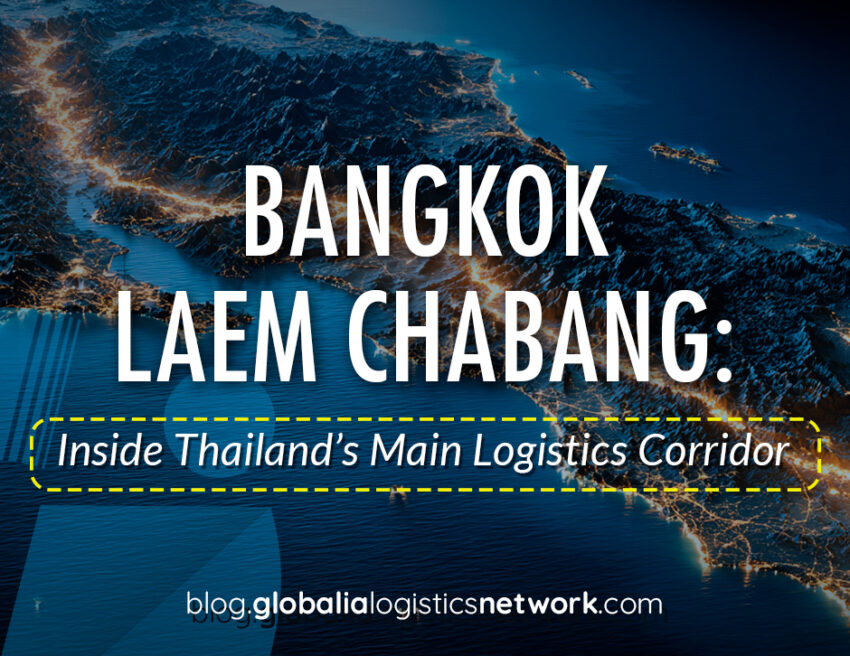
Bangkok–Laem Chabang: How Thailand’s Main Logistics Corridor Moves International Cargo
Bangkok is the commercial centre of Thailand, but much of the country’s international container traffic reaches global markets through a different gateway: Laem Chabang Port. The connection between the capital, Thailand’s industrial heartland and the deep-water port has created one of the country’s most important logistics corridors. For freight forwarders, the Bangkok–Laem Chabang route is…
Why Cargo Gets Rolled: 7 Operational Reasons Behind a Missed Vessel
You have a confirmed booking, the container is ready, the documentation has been submitted, and then comes the frustrating message: your cargo has been rolled. Cargo rollover happens when a shipment that was scheduled for a particular vessel is not loaded as planned and is moved to a later sailing. It can add days to…
Cai Mep-Thi Vai Port: The Deep-Water Alternative Reshaping Asia’s Shipping Map in 2026
For years, shippers routed around congestion by picking a different terminal in the same country. In 2026, they are picking a different country altogether, and Cai Mep-Thi Vai port is where a growing share of that traffic is landing. As Chinese gateways buckle under volume spikes and unpredictable dwell times, this deep-water port south of…
Why Kansas City Matters for North American Supply Chains
Kansas City may sit far from the US coast, but its central location makes it one of the most important inland logistics hubs in North America. At the intersection of major highways, rail networks, and intermodal facilities, the city connects manufacturers, distributors, and retailers with markets across the United States, Canada, and Mexico. For companies…